
Energy Upgrade Options
Our study assessed a wide range of home energy improvement options across different housing types to understand their impact on heat loss, comfort, energy bills, and carbon emissions. We’ve summarised the findings below, grouping them in four categories. Click the buttons below to access more detailed information on each solution, findings from our study, and links to further guidance.
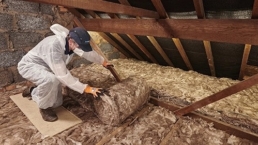
Insulation Improvements
Upgrading your home’s insulation is one of the most effective ways to reduce heat loss, lower bills, and improve comfort. Our findings show how different measures — from wall and roof insulation to floors, windows, and doors — can dramatically cut energy use and make homes warmer, quieter, and more resilient.
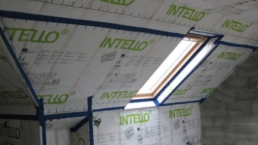
Airtightness and Healthy Ventilation
Small gaps and draughts can waste a surprising amount of heat. Improving airtightness helps keep warmth inside, while good ventilation ensures fresh, healthy air throughout the home. Together, these measures create a comfortable and efficient indoor environment without condensation or damp.
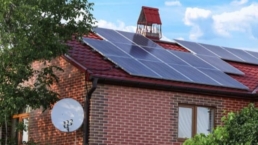
Solar PV and Heat Pumps
Heat pumps are electric systems that transfer heat from the air outside to warm the home and provide hot water. Solar photovoltaic (PV) panels convert sunlight into electricity that can be used in the home or exported to the grid. In this section we outline when to consider each and the benefits they can bring.
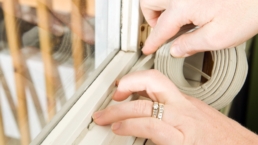
Windows, Doors and Small Measures
Upgrading old or draughty windows and doors can make homes feel warmer, quieter, and more comfortable. While energy savings alone are modest, modern replacements help reduce condensation, cut draughts, and improve overall living conditions — especially where existing units are in poor condition.