
Energy Upgrade Options
Insulation Improvements

External Wall Insulation (EWI)
We found that many solid-walled homes lose around a third of their heat through the external walls. By adding a continuous insulating layer to the outside, the wall’s thermal performance can be improved five- to six-fold — from about 1.5–2.0 W/m²K down to 0.3 W/m²K or better. This reduces annual heating demand when combined with roof insulation. Alongside lower carbon emissions and improved comfort, EWI also helps protect the building fabric from weathering.
Our research highlighted that this measure is usually costly compared to the energy savings achieved, and is best considered where comfort, appearance, or long-term carbon reduction are priorities.
When to consider:
-
Solid-walled homes without planning restrictions on external appearance
-
Homes with external walls exposed to wind and rain
-
Properties where comfort, carbon reduction, or refurbishment works are planned
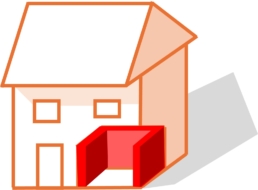
Internal Wall Insulation (IWI)
Where external insulation isn’t suitable — for example in conservation areas or where façades can’t be altered — we found that internal wall insulation provides a strong alternative. By insulating internal wall surfaces, U-values can again be improved to around 0.3 W/m²K, delivering similar reductions in heat loss through the walls. While IWI reduces room sizes slightly and requires careful moisture management, it remains an effective way to improve comfort and tackle the 30–35% of heat loss that typically occurs through solid walls.
As with External Wall Insulation, we found IWI offers strong technical performance but limited short-term financial benefit, and is best implemented for those seeking improved confort or reduced carbon emmissions.
When to consider:
-
Homes in conservation areas or with protected façades
-
Properties where external insulation would affect appearance or require planning permission
-
Solid-wall homes where external insulation is not feasible

Roof and Loft Insulation
We found that uninsulated or poorly insulated roofs are often responsible for 20–25% of total heat loss in the homes we studied. Adding insulation to flat or pitched roofs can reduce roof U-values from around 2.0 W/m²K to 0.16 W/m²K — more than a tenfold improvement. This can significantly improve comfort by keeping rooms warmer in winter and cooler in summer.
Roof insulation was one of the more practical and cost-effective improvements identified, particularly for accessible loft spaces.
When to consider:
-
Homes with lofts or accessible roofs lacking insulation
-
Properties where roof upgrades are planned for maintenance or replacement
-
Homes seeking a relatively straightforward improvement
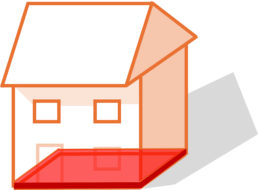
Floor Insulation
In homes with suspended timber or uninsulated solid floors, we found floors can account for around 10% of total heat loss. Adding floor insulation typically reduces U-values from around 0.7 W/m²K to 0.2 W/m²K. This improves comfort underfoot and reduces draughts.
The measure provides comfort benefits but limited financial return in most cases, and is best timed with floor refurbishments.
When to consider:
-
Homes with cold or draughty ground floors
-
Properties undergoing floor replacement or refurbishment
-
Houses with suspended timber or uninsulated solid floors